- 22 Apr, 2026
- 0 Comments
- 2 Mins Read

The Deep Roots of Music: A Journey Through Time
Music, an intrinsic part of human culture, has roots that stretch back to the dawn of civilization. It is a universal language that transcends geographical boundaries and connects people across different cultures and eras. The origins of music can be traced to prehistoric times when early humans used rudimentary instruments and vocalizations to express emotions, tell stories, and communicate with one another. This report delves into the historical development of music, exploring its evolution through various cultures and sailingtodenver.com the impact it has had on society.
The earliest forms of music likely involved simple sounds produced by clapping, humming, or the use of natural objects like stones and sticks. Archaeological findings suggest that the oldest known musical instruments date back to approximately 35,000 years ago, with flutes made from bird bones and mammoth ivory discovered in Europe. These early instruments indicate that music was an essential aspect of life, serving purposes such as ritualistic ceremonies, celebrations, and even healing practices.
As civilizations emerged, so did the complexity of music. Ancient cultures such as the Sumerians, Egyptians, and Greeks developed more sophisticated musical systems. The Sumerians, for instance, created one of the first known musical notations around 2000 BCE, while the Egyptians used music in religious ceremonies and entertainment. The Greeks further advanced music theory, introducing concepts such as scales, harmony, and rhythm. Philosophers like Pythagoras explored the mathematical relationships between musical notes, laying the groundwork for Western music theory.
In Asia, music has deep roots as well, with traditions dating back thousands of years. In China, the use of instruments like the guqin and pipa can be traced back to ancient dynasties. Indian classical music, with its intricate ragas and talas, has evolved over centuries, blending spiritual and cultural elements. Similarly, African music, characterized by its rich rhythms and communal participation, has influenced countless musical genres worldwide.
The Middle Ages marked a significant turning point in the history of music. The introduction of Gregorian chant in the Christian church standardized musical practices in Europe, while the development of polyphony in the 9th century allowed for multiple independent melodies to be sung simultaneously. This period also saw the emergence of secular music, with the rise of troubadours and minstrels who entertained audiences with songs about love, chivalry, and everyday life.
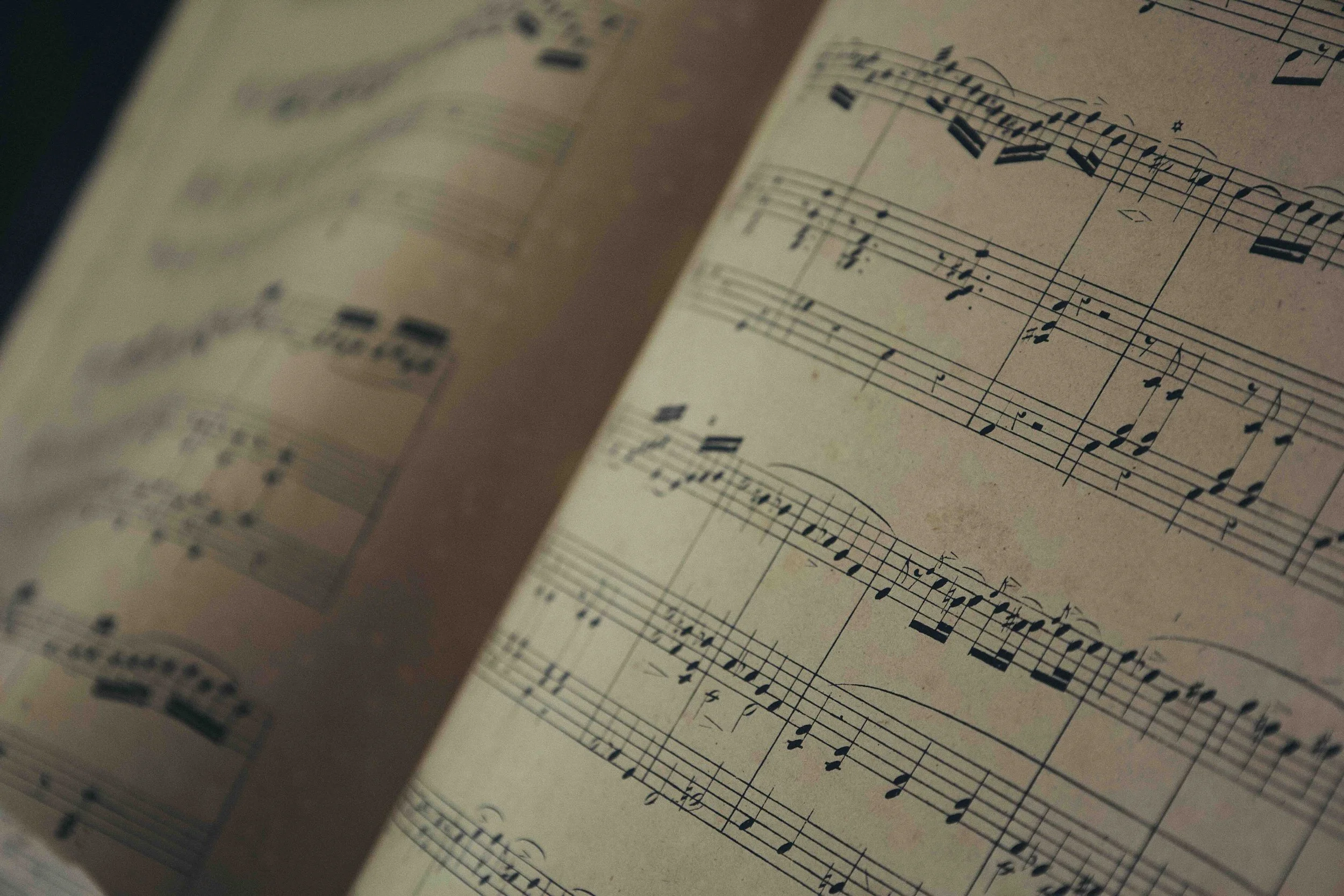
The Renaissance and Baroque periods further transformed music, giving rise to notable composers like Bach, Mozart, and Vivaldi. The invention of musical notation allowed for greater complexity and the preservation of compositions, enabling music to flourish in various forms. The Classical era brought about the symphony and sonata, while the Romantic period emphasized emotional expression and individualism in music.
In the 20th century, music experienced an explosion of genres, including jazz, rock, hip-hop, and electronic music. Each genre reflects the cultural and social dynamics of its time, often serving as a voice for marginalized communities and a means of social change. The globalization of music has also led to the fusion of different styles, creating a rich tapestry of sounds that continue to evolve.
In conclusion, the roots of music are deeply embedded in human history, reflecting the complexities of culture, emotion, and communication. From prehistoric times to the present day, music has served as a powerful tool for expression, connection, and transformation. Understanding its origins not only enriches our appreciation of music but also highlights its enduring significance in our lives.