


- 27 Aug, 2026
- 0 Comments
- 5 Mins Read

Mastering the art of bluffing in casino poker
Understanding the Concept of Bluffing
Bluffing is an essential strategy in poker that involves misleading opponents about the strength of one’s hand. At its core, a successful bluff relies on convincing other players that you possess a stronger hand than you actually do. This psychological gameplay not only tests one’s grasp of the game but also demands a keen awareness of opponents’ behaviors and tendencies, especially when playing at a fast withdrawal online casino australia where the stakes are high. The ability to bluff effectively can elevate an ordinary player into becoming a formidable competitor at the poker table.
For bluffing to be truly effective, players need to select the right moments to act. Not every hand or board layout is conducive to a successful bluff. Understanding the dynamics of the game, including the betting patterns and reactions of other players, becomes vital. A well-timed bluff can exploit an opponent’s cautiousness, making it a powerful tool to seize control of the game. Players must remember that the fine line between a good bluff and a poor one is defined by timing and the context of the game.
Furthermore, successful bluffing requires confidence. If a player is hesitant when presenting their bluff, it can raise suspicions among opponents. Body language plays a significant role; maintaining a steady demeanor and avoiding signs of nervousness can help sell the bluff. The goal is to create a convincing narrative that your hand is better than it is, thus instilling doubt in the minds of other players. Mastering this art involves practice, observation, and sometimes, a little luck.
Recognizing When to Bluff
Recognizing the right moments to bluff is crucial for any poker player looking to master this technique. Bluffing should never be random; it requires careful consideration of various factors, including the playing styles of your opponents, the game’s flow, and the cards displayed on the table. One classic scenario where bluffing is especially effective is when the board presents an opportunity that suggests a strong hand could be possible, even if one does not hold it. Observing your opponents’ reactions in such situations can provide invaluable insights.
Moreover, the concept of position in poker cannot be overlooked when considering a bluff. Players in later positions have the advantage of knowing how their opponents have acted before they place their bets. This allows for more informed decisions regarding whether to bluff or fold. If players notice that others are showing weakness—such as checking their hands or calling with hesitation—it might be an opportune moment to execute a bluff and take advantage of their uncertainty.
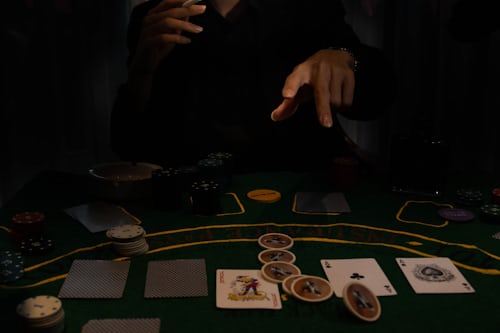
Another critical aspect of knowing when to bluff involves understanding the stakes involved. In high-stakes games, opponents are often more cautious, giving a bluff more weight. Conversely, in low-stakes environments, players may be more willing to call a bluff, thinking they have nothing to lose. An adept player will gauge the overall atmosphere and temperament of the table and adjust their bluffing strategy accordingly, ensuring that they capitalize on the situation effectively.
Mastering Body Language and Table Presence
Body language is an integral component of poker, particularly when it comes to bluffing. Players often communicate more through non-verbal cues than through their words or bets. A confident posture, steady movements, and a calm voice can all contribute to convincing opponents of a strong hand. Conversely, fidgeting, avoiding eye contact, or exhibiting signs of stress can suggest weakness and may prompt opponents to call your bluff. Players should practice maintaining a neutral yet assertive demeanor to create a powerful table presence.
Another tactic is to observe the body language of opponents. Experienced players often give away their hand strength through subtle movements. For instance, a player who sits back in their chair, relaxed and at ease, may hold a strong hand, while one who leans forward and seems tense could be bluffing. Understanding these cues can help you gauge whether it is wise to attempt a bluff or fold your hand. This reciprocal observation creates a dynamic game where both bluffing and reading opponents become crucial skills.
Furthermore, maintaining a consistent approach in both bluffing and strong hands can enhance the likelihood of successful bluffs. If other players cannot differentiate between your bluffing actions and genuine play, they are more prone to question their own judgments. This ambiguity can create opportunities to steal pots without ever revealing what you truly hold. A player’s ability to consistently manage body language and table presence will significantly contribute to their overall success in poker.
Building a Reputation and Strategic Bluffing
In poker, a player’s reputation at the table can greatly influence their bluffing success. If you have established yourself as a player who rarely bluffs, your occasional attempts to do so are more likely to be taken seriously. Conversely, players who frequently bluff may find that their attempts are met with skepticism, making it harder to pull off successful bluffs. Therefore, strategic bluffing involves not just the timing of individual bluffs but also how you manage and cultivate your overall reputation.

Building a strong reputation takes time and consistency. Players should strive to create a balance between playing aggressively and conservatively. By mixing up their strategies, they maintain an element of surprise, making them unpredictable. An established player who earns respect at the table can utilize bluffing as a strategic tool, knowing that other players will be more cautious in their response due to the perceived strength of their game.
Ultimately, integrating bluffing into a broader strategy is key to success. Players should view each hand as an opportunity to craft a narrative, determining when to bet aggressively and when to hold back, carefully considering how to use bluffing in tandem with solid gameplay. By doing so, they can master their poker experience and elevate their performance, making them skilled players that others must reckon with.
Exploring Resources for Poker Enthusiasts
For those seeking to delve deeper into the art of poker bluffing, numerous resources can aid in sharpening one’s skills. Online platforms and communities offer forums for players to share strategies, experiences, and advice. Engaging with seasoned players can provide valuable insights into bluffing tactics that may not be immediately apparent. Additionally, there are various books and instructional videos dedicated to poker strategy that can deepen your understanding of bluffing mechanics.
Playing in diverse settings, both online and in-person, allows poker enthusiasts to test their bluffing abilities against different opponents and styles. Online poker sites often provide free games, enabling players to practice bluffing without the pressure of real stakes. This practice helps develop instincts and techniques necessary to execute a successful bluff. Moreover, participating in local tournaments lets players experience the competitive atmosphere, honing their skills in real-time.
Ultimately, committing to continuous learning and practice is essential for mastering bluffing in poker. By exploring various resources, engaging with the community, and refining strategies through experience, players can significantly improve their bluffing capabilities. Whether you are a novice or looking to enhance your existing skills, a wealth of information is available to help you thrive in the world of poker and bluffing.